

Publishing has gone through many changes over the last few years. Now authors have an option of how they can publish – digitally, print, or both types of formats together. Print books are still very popular with people all over the world, even though eBooks are becoming more popular because they are easy to access and convenient. Before you start the printing process, you need to know the difference between an eBook, an original file, and a print book. Each style is used for a different thing and has an immediate effect on how readers feel, how books are distributed, and how well books sell.
Deciding which type of format to go with is no longer simply a matter of what’s best for the writer. The selection of the best book format is critical to successful promotion, and for ensuring that the book reaches readers, and for planning the long term future of the writer and the publisher of the book.
What is an eBook?
Definition of an eBook
eBook is a digital publication of a book made for electronic equipment like smart phones,
tablets, laptops, and eReaders. An eBook can be downloaded and accessed on the internet, which is different to a printed book which has a physical form.
eBooks are highly portable and convenient. Readers can carry thousands of books on one device and instantly access titles from anywhere.
Common eBook Formats
The publishing industry uses several popular eBook formats today.
- EPUB is the most popular form of publishing because it allows you to read your content on many different hardware types and platforms.
- EPUB3 is an advanced version supporting multimedia, interactive content, and accessibility features.
- PDF files have a fixed layout which is perfect for content that is organised visually.
Each different type of content and each reader’s expectations will have a specific publication format that suits his/her needs when it comes to publishing.
What is an Original File?
Your work will be prepared for publication using an original file. The manuscript needs to be modified from the original as part of the process to print out. The original file, as a major source, serves as the basis for editing, changing and formatting the content. The majority of first-time files consist of Adobe InDesign or Microsoft Word, which will be converted into printable versions.
Role in Publishing
The original files are very important because they make it easy for publishers and writers to make changes. The final book will be planned, edited, and proofread before the original content is released. When the source document is shared, formatting or compatibility issues could arise if the layout is incorrect.
What is a Print Book?
Traditional Printed Format
Printed manuscripts come in a form called a “print book.” It might come in a hardcover, a paperback, an illustrated version, or a workbook. Many readers still prefer physical books even though digital publishing is growing. This is because reading physical books is more traditional and they are nice to have as a collection.
Print Formatting Requirements
When a book is written, it has to be laid out and designed the same way in every copy. A few things need to be placed correctly in the plan before it can be printed. Make sure the margins, spine width, picture size, and bleed settings are all right before you print. The style of print versions can’t be changed like it can with eBooks. That’s why they should never change.
Important Distinctions Described
Structure and Format
Once a book is written, every copy has to be put together and look the same. Before the plan can be made, a few things need to be put in the right place. Before you print, make sure the choices for the margins, spine width, picture size, and bleed are correct. Print books can’t have their style changed like eBooks can. That’s the reason they should not change.
Reader Experience
eBooks are portable, the writing size can be changed, and they are easy to access digitally. Readers can change the color, fonts, and spacing to suit their own tastes. Many readers still like the physical experience of reading print books. Physical books also look better and have more shelf appeal.
Distribution Methods
Digital distribution allows an eBook to be distributed worldwide through digital publishing platforms and online marketplaces. With eBooks, customers can purchase an eBook and download it instantly. By comparison, when people buy a printed book, there will be additional steps involved (i.e., print the book either using a standard printing machine or using print on demand, then shipping it to the customer).
Accessibility and Compatibility
Screen readers and adjustable display options make eBooks significantly more accessible than traditional printed text. Newer publishing platforms are putting greater emphasis on the production of accessible digital publishing materials so that they meet all accessibility criteria. Although physical printed material is limited to only physical copies, printed books remain very much in demand from both bookstores and libraries because they continue to provide tremendous value.
eBook vs Print Book for Authors
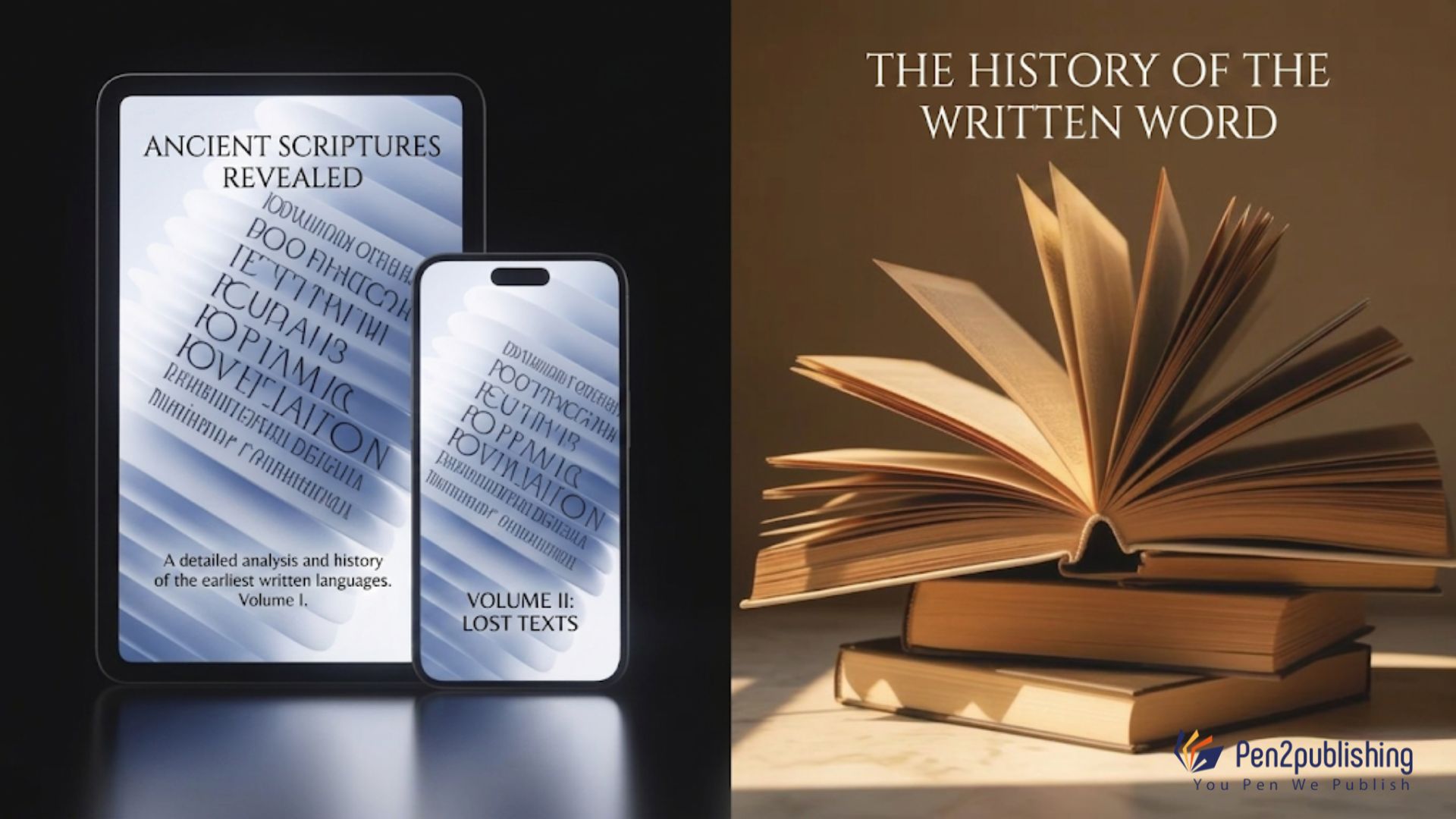
Advantages of eBooks
eBooks make it easier for authors to post faster and reach readers all over the world. Digital publishing also makes it easier to add new information, fix mistakes, and change material. eBooks are easier and more accessible for self-employed writers to get their work out there.
Advantages of Print Books
Print publications allow authors to gain more recognition and to establish their professional reputation. Many consumers believe printed books are more precious and real. Print copies also do well during author events, when the author is in person, or during store promotions.
Latest Publishing Trends (2025–2026)
Rise of Multi-Format Publishing
Modern authors increasingly publish books in both digital and print formats simultaneously. This approach improves visibility across different reader groups and platforms.
Interactive Digital Publishing
Educational books using EPUB3 technology offer much greater opportunities for interactive printing. Additional accessible multimedia experiences and features are now being added to education-related titles, while the quality of digitally produced content improves, due to advances in digital printing technologies.
Growth of Print-on-Demand
Independent authors can still take advantage of the print-on-demand services, which continue to change the face of the publishing industry, by reducing their financial exposure from holding inventory and making it easier for indie authors to distribute books around the world.
Common Mistakes Authors Should Avoid
Many authors upload unformatted manuscripts without testing them across devices or print layouts. This often creates poor reader experiences and technical publishing issues. Another typical error is not abiding by the guidelines of the publishing platform. There are various technical specifications per issue along with the original (standard) publishing platform, which is why it’s necessary to be smooth in your planning. Bad cover designs and layouts can negatively affect discoverability and sales success.
Choosing the Right Format
When to Choose eBooks
E-Books can also make the most sense for digital-first readers who require both convenience and mobile access to their reading materials. eBooks are a great option when a fast publishing time and worldwide distribution are required.
When to Choose Print Books
Print books, however, are suitable for physical placement in bookstores, for use in events, and for those readers that appreciate more traditional forms of reading.
Why Many Authors Use Both
The majority of successful authors combine both eBook publishing and print publishing to improve their visibility and audience reach. Using more than one format will increase readers’ chance of discovering your work. By using multiple formats of publishing, multiple opportunities for publishing arise.
How Pen2Publishing Helps Authors
Professional Publishing Support
Preparing professional publishing files requires technical expertise and careful formatting. Pen2Publishing helps authors with eBook formatting, print-ready layouts, and conversion services designed for modern publishing standards. Professional publishing assistance enables authors to avert issues involving compatibility, as well as to enhance the total reading experience for their audience.
Practical Tips for Authors
- Always test your files on multiple devices before publishing. Different platforms may display layouts differently.
- Keep your cover optimized for both digital thumbnails and physical printing. A professional cover strongly influences reader attention.
- Most importantly, follow publishing platform guidelines carefully to reduce upload errors and formatting issues.
The Right Format Builds Success
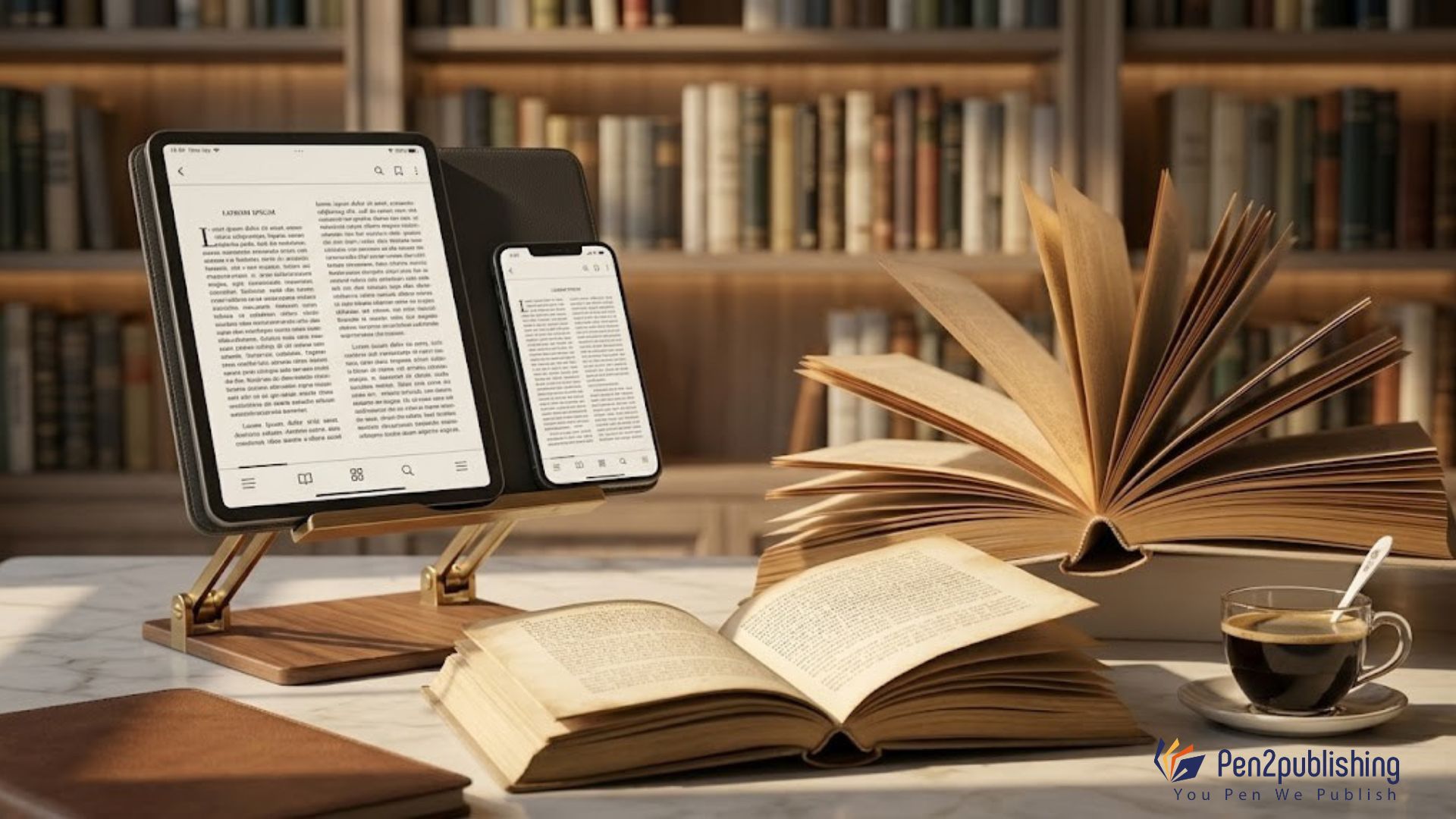
It’s important for modern publishers to have an understanding of Physical Books, Original Files (an original file is an author’s copy or manuscript that you give to your publisher), and eBooks. Each format has its own ways of affecting the reader experience during the production phase of the publishing process due to their unique qualities; therefore, you need to know how to properly utilize the different formats when you produce your books.
There are several ways eBooks have many advantages compared to Paper Books when it comes to digital access, ease of use, availability, and portability compared to paper books. However, from an experiential aspect, print (paper) books have significant advantages as well; for instance being tangible and familiar as an object that can be read, as well as providing strong branding through use of visual elements (book covers), etc.
Authors that have a good understanding of the evolving publishing industry will be better prepared to make proper publishing decisions about which format to use, to create the best possible reading experience regardless of the format used.
FAQs
1. What is the difference between an eBook and a print book?
An eBook is digital, while a print book is physically printed.
2. Can a Word file be published directly?
Usually, Word files need formatting before professional publishing.
3. Which format is best for self-publishing?
Both formats will perform correctly, based upon your audience and objectives.
4. Are eBooks replacing print books?
No, both formats remain important within modern publishing.
5. Why is formatting important?
Properly formatted documents improve the quality of both the reading process and the publishing process.